
Tynor is India’s largest manufacturer and exporter of orthopedics and fracture aids established in the 90s to deliver quality healthcare products.
Committed to a significant expansion in the following three years, Tynor had grown to 500 dealers across India and was expecting online sales to rocket. Therefore, they built a new e-commerce website focused on excellent customer experience to support their business growth. To gain more confidence about the launch, the engineering team of Tynor decided to run pre-go-live stress testing.
“We knew that the business expected us to support high sales. “But no one was completely sure that our new site was ready for it. Moreover, our team lacks competence in load testing, and we had only a week left before the launch.”
Pankaj learned about PFLB through his Google search and decided to get in touch.
“The tight deadline felt daunting, but I was relieved to hear that they provide a quick load testing solution.”
After examining the situation in detail, the PFLB team proposed a Quick Load Testing solution. It included a four-day load testing project carried out by PFLB together with Tynor’s in-house engineers using a powerful testing PFLB platform.
The solution provided test results and recommendations on what to improve to increase website performance. In addition, a month-long subscription to PFLB Platform included in the Quick Load Testing proposal allowed Tynor’s team to run more test iterations on their own when needed.
Initial tests allowed us to identify the main issues:
Definitely, these results did not meet high standards of Tynor’s team, and performance of their new website needed to be significantly improved.
Response time before and after performance optimization
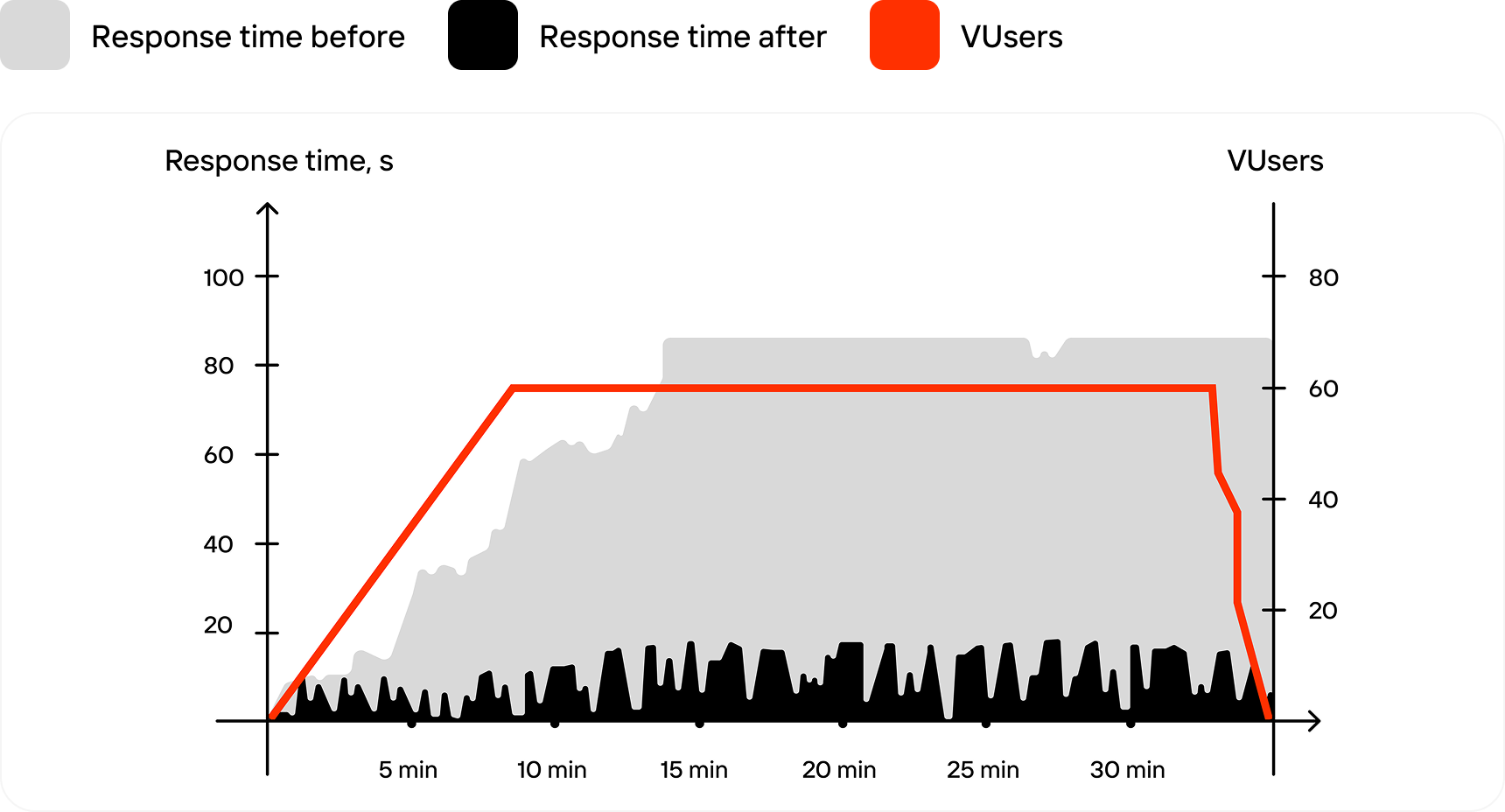
With PFLB’s help, Tynor engineers analyzed the behavior of the site under load and identified several bottlenecks at the database and network levels. Then, there were several more iterations of fixing issues and load testing. Finally, website performance was improved by more than a factor of 30:
Thus, in quite a short time PFLB engineers helped Tynor discover all bottlenecks of the system and prepare the website for high sales. Quick Load Testing by PFLB is a specialized business solution which provides careful expert analysis and helps to address demanding tasks under tight deadlines. It allows the client to go quickly through the information about the site’s performance and supplies teams with a fully customized tool for further load testing of new releases.
Table pattern
| Meaning | Meaning | Meaning | Meaning | Meaning | Meaning |
|---|---|---|---|---|---|
| Meaning | Meaning | Meaning | Meaning | Meaning | Meaning |
| Meaning | Meaning | Meaning | Meaning | Meaning | Meaning |
| Meaning | Meaning | Meaning | Meaning | Meaning | Meaning |
| Meaning | Meaning | Meaning | Meaning | Meaning | Meaning |
| Meaning | Meaning | Meaning | Meaning | Meaning | Meaning |
Performance Testing for Massive Bank Systems: Our Experience
If you would like to write user scenarios in plain-old Python using a distributed and scalable tool with a Web-based UI, this article is just for you. Low threshold makes Locust attractive for junior testing engineers, whilst many senior engineers turn to Locust, too, when they get tired of Apache Jmeter.
This is a fact
In 2021, Cyber Monday garnered $10.7 billion, which makes it 1.4% less than in 2020 (falling for the first time ever). However, it remains the biggest online shopping day of the year. Black Friday 2021 sales volume was $8.9bn, which is almost 20% more than the pandemic 2019, but down 1.3% from 2020.
The start of the pandemic had made online sales many times more important than the offline ones, and the rolled-out vaccines did not change the new habit in 2021: obviously, customers are still unwilling to shop offline, if avoidable.
Only 39.7% of the purchases on Cyber Monday were made with mobile applications. For years, the trajectory had been showing mobile on a course to surpass the 50-mark in share of online sales, but with more and more people working from home, the growth has slowed down. Consumers are using their desktops to shop and their phones to browse instead.
The start of the pandemic had made online sales many times more important than the offline ones, and the rolled-out vaccines did not change the new habit in 2021: obviously, customers are still unwilling to shop offline, if avoidable.
Only 39.7% of the purchases on Cyber Monday were made with mobile applications. For years, the trajectory had been showing mobile on a course to surpass the 50-mark in share of online sales, but with more and more people working from home, the growth has slowed down. Consumers are using their desktops to shop and their phones to browse instead.
The start of the pandemic had made online sales many times more important than the offline ones, and the rolled-out vaccines did not change the new habit in 2021: obviously, customers are still unwilling to shop offline, if avoidable.
Only 39.7% of the purchases on Cyber Monday were made with mobile applications. For years, the trajectory had been showing mobile on a course to surpass the 50-mark in share of online sales, but with more and more people working from home, the growth has slowed down. Consumers are using their desktops to shop and their phones to browse instead.
Only 39.7% of the purchases on Cyber Monday were made with mobile applications. For years, the trajectory had been showing mobile on a course to surpass the 50-mark in share of online sales, but with more and more people working from home, the growth has slowed down. Consumers are using their desktops to shop and their phones to browse instead.
java-version: '17'
    - name: Run JMeter Tests
      run: |
        wget https://downloads.apache.org/jmeter/binaries/apache-jmeter-5.5.zip
        unzip apache-jmeter-5.5.zip
./apache-jmeter-5.5/bin/jmeter -n -t MyAppTestPlan.jmx -l results.jtl -e -o ./reports/Before and after
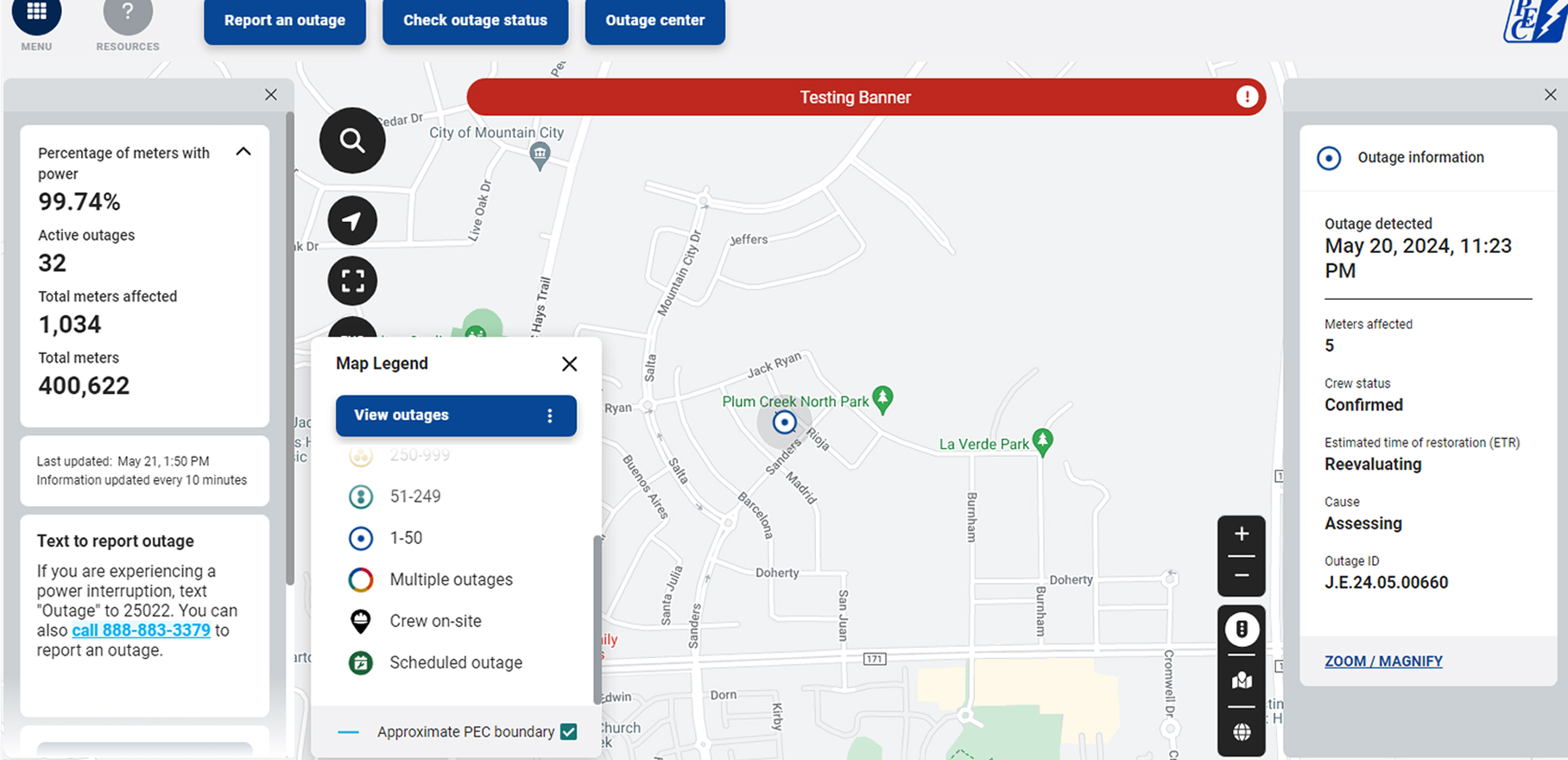
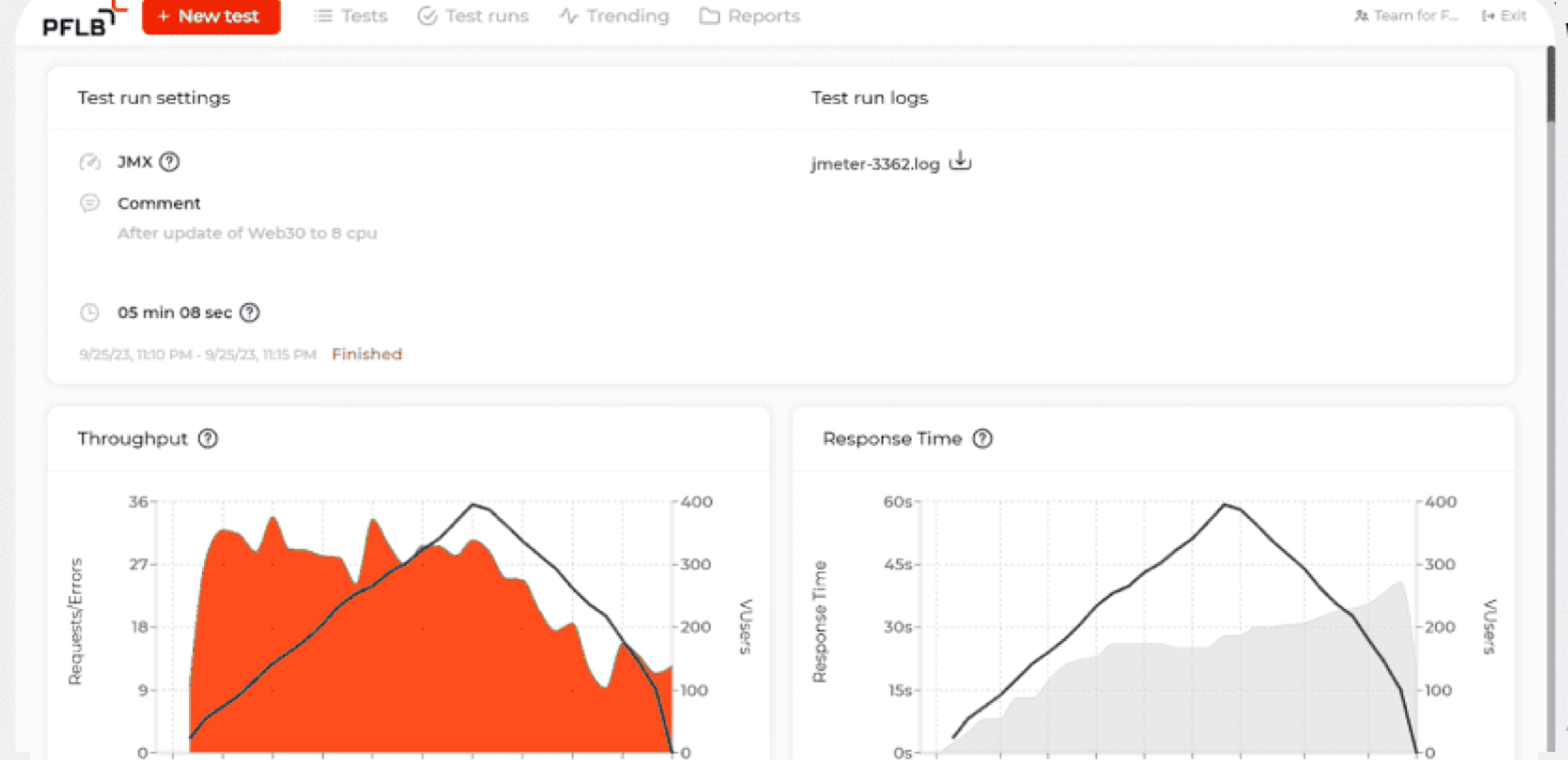

How I Compared The Best Load Testing Tools
When I set out to review the best load testing tools for 2025, I focused on what actually matters to engineers, DevOps teams, and decision-makers. Documentation and marketing pages can be misleading, so I worked directly with each product: either through a free trial or by purchasing the lowest-tier paid plan. This way, I could see how the tools behave in real scenarios — what’s easy, what’s clunky, and what’s missing.
-
Price and Value
I calculated the cost per virtual user hour (VUH) whenever possible. This made it easy to see which platforms deliver the most realistic traffic for the money. For enterprise-scale scenarios, I also considered how pricing changes as concurrency scales up.-
Basic is simpler
Less sensitive to seasonality or long-term trends; good for metrics without predictable cycles. -
Basic is simpler
Less sensitive to seasonality or long-term trends; good for metrics without predictable cycles.
-
Basic is simpler
-
Hosted Load Generators
Managing your own load infrastructure adds friction. I prioritized tools that provide hosted load generators in multiple geographic regions, so you can run tests quickly without worrying about servers. -
Private Cloud Options
Some organizations, especially in finance, healthcare, or government, need stricter security. For these use cases, I looked at whether a tool supports private cloud deployments or on-premises generators. -
Data Management and Collaboration
A good load testing platform doesn’t just run traffic; it also stores test results, allows sharing across teams, and supports collaborative analysis. I noted how each tool handles data retention, reporting, and team workspaces.



A gallery of our works in your fields

Challenges of Continuous Performance Testing
While continuous performance testing offers significant benefits, it also presents unique challenges that teams need to address to get the most out of this approach. Here are some of the most common hurdles:
-
Test Environment Complexity
Continuous performance testing requires realistic performance testing environments that accurately mimic production conditions. This can be challenging to set up and maintain, especially for large-scale applications with complex architectures.- Basic is simpler, less sensitive to seasonality or long-term trends; good for metrics without predictable cycles.
- Basic is simpler, less sensitive to seasonality or long-term trends; good for metrics without predictable cycles.
-
Test Environment Complexity
Consistently generating and managing test data is critical for accurate performance assessments. Without realistic data, test results can be misleading, potentially masking serious issues. -
Test Script Maintenance
As your application evolves, so do your test scripts. Keeping them updated to reflect new features, endpoints, and infrastructure changes is a continuous effort.- Robust is more conservative, better at avoiding false positives when data is noisy but with recurring cycles.
Data communication
I’m going to explain several functions that I’m using in my work: lrvtc_query_row ( int index ) – it retrieves for the table all parameters that are located in the index row. Each column corresponds to a parameter with the same name that is saved as string. If there are no data in some cell, then NULL is written to the parameter.
lrvtc_query_column ( char *columnName, int rowIndex )– it is the same function as previous, but it is applied to one column.
lrvtc_retrieve_row ( )– it is analogous to the first function, but it saves all raw to the corresponding parameters. At the same time all the row is deleted from the table. All lower rows are lifted by a row.
lrvtc_retrieve_message ( char *columnName )– it receives the first row value from the given column and deletes it from the table. All lower rows are lifted by a row.
lrvtc_retrieve_messages1 ( char *columnNames, char *delimiter )– it is the same function, but it is applied to several columns. delimiter is a line or symbol that divides column names in the columnNames line.
lrvtc_rotate_row ( sendflag )– it retrieves values from a row, deletes it from the first row and saves them to the last row. Here are the possible fag values: VTSEND_SAME_ROW – save the data to the same row. VTSEND_STACKED – save the data to a free cell on the table bottom. VTSEND_STACKED_UNIQUE – the data is only saved back to the table if it is unique, otherwise it is only saved in the parameters.
lrvtc_rotate_message ( columnName, sendflag )– it is analogue to the previous functions, receives the data from a required column and reverts the column in the table. Flags: VTSEND_STACKED and VTSEND_STACKED_UNIQUE.
lrvtc_rotate_messages1 ( char *columnNames, char *delimiter, char
            *sendflag )
– it is functioning analogue to the previous functions. Flags as in lrvtc_rotate_row.
lrvtc_update_row1 ( char *columnNames, int rowIndex , char *values, char *delimiter )– update the data in the indicated columns and line.
lrvtc_update_message ( char *columnName, int rowIndex , char *value )– update the data in one cell with a required address.
It’s recommended to use indexes in order to optimize and speed up search for unique values in tables with many lines.
Why you can't afford to skip performance testing
As for 2021, Adobe forecasted U.S. holiday sales online to hit $207 billion from Nov. 1 to Dec. 31, setting a new record and showing a 10 percent increase from 2020. In fact, that year turned out to be even more generous: sales reached $211.41 billion. 2021 was an undeniably outstanding year for retail sales. Imagine what 2022 can bring to your business.
As for 2021, Adobe forecasted U.S. holiday sales online to hit $207 billion from Nov. 1 to Dec. 31, setting a new record and showing a 10 percent increase from 2020. In fact, that year turned out to be even more generous: sales reached $211.41 billion. 2021 was an undeniably outstanding year for retail sales. Imagine what 2022 can bring to your business.
Actually, Deloitte has already forecasted it for you. They expect eCommerce sales to grow by 12.8% to 14.3%, year-over-year, during the 2022-3 holiday season. This will likely result in eCommerce holiday sales reaching between $260 billion and $264 billion this season, January 23 included.
According to statistics
On average, a consumer in the U.S. will spend 12 full hours shopping online this holiday season. During the “golden hours” of eCommerce (7:00–11:00 pm PT on Cyber Monday), shoppers will spend nearly $3 billion online ($2.9B) in just 4 hours, 50 percent more than a typical full day in August 2021 ($1.9B). In the peak hour of Cyber Monday (8:00–9:00 pm PT), consumers will spend over $12 million every minute.
Get seated and try to count how much it will cost you if your website crashes for mere 15 minutes, or if 30% of your visitors leave the app due to unexpectedly slow response. Are you sure your website or app’s performance is better than those of, say, Costco’s?


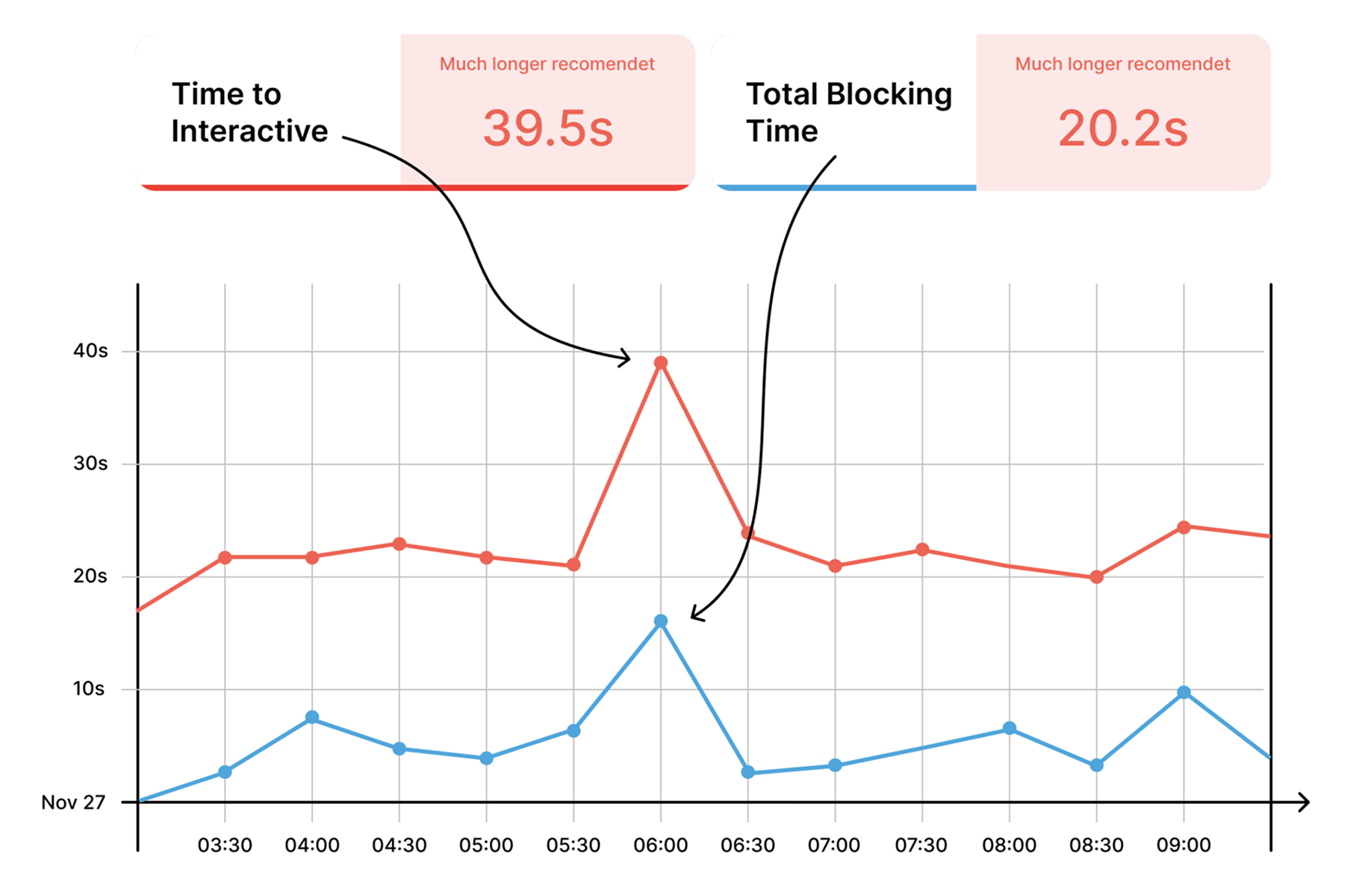
If you don’t possess Amazon’s resources, the performance level such as pictured below can lead you to critical failures in peak hours, which in turn will result in losing revenues and clients.
If you don’t possess Amazon’s resources, the performance level such as pictured below can lead you to critical failures in peak hours, which in turn will result in losing revenues and clients.
Explore Our Portfolio
Check out our portfolio and case studies for more insights into the challenges we’ve solved and the results we’ve delivered.
Visit our PFLB Case Studies Page to learn more.
Challenges of Continuous Performance Testing
While continuous performance testing offers significant benefits, it also presents unique challenges that teams need to address to get the most out of this approach. Here are some of the most common hurdles:
-
Test Environment Complexity
Continuous performance testing requires realistic performance testing environments that accurately mimic production conditions. This can be challenging to set up and maintain, especially for large-scale applications with complex architectures. -
Test Environment Complexity
Consistently generating and managing test data is critical for accurate performance assessments. Without realistic data, test results can be misleading, potentially masking serious issues. -
Test Script Maintenance
As your application evolves, so do your test scripts. Keeping them updated to reflect new features, endpoints, and infrastructure changes is a continuous effort.

Vik Kuvshinov
Product manager Cloud
We smoothly moved over 100 JMeter projects to PFLB, and it's been a total game changer. It's given our team of 50+ remote performance engineers the ability to handle large-scale load tests every day with real ease.
Tips for having a successful Black Friday & Cyber Monday
The checklist we give our clients for performance testing before sales, especially such peak sales as Black Friday and Cyber Monday, includes just a few points.
- Start early. This way, you’ll have time to fix every bottleneck found while testing before high season starts. There are many tools to test your performance right now, including boomq.io.
- Ask for qualified QA help to figure out the reasons behind test results. What is slowing down your system? Are the pictures in the mobile version too large? Is your video ad slowing down the TTI by 2? How many simultaneous users can shop? Is this as many as you expect on holidays, or less?
- Don’t run tests during peak hours. You don’t want your customer to be in the middle of a transaction when the system freezes.
- Prioritize. If you don’t have enough time to test everything, test the most visited pages or the maximum load your system can handle. This way, you’ll be able to redesign your campaign to reduce or split the load users create.
- Don’t get lost in an endless number of different testing tools. Our Top 10 performance and load testing tools list will save you time.
Tips for having a successful Black Friday & Cyber Monday
The checklist we give our clients for performance testing before sales, especially such peak sales as Black Friday and Cyber Monday, includes just a few points.
- Start early. This way, you’ll have time to fix every bottleneck found while testing before high season starts. There are many tools to test your performance right now, including boomq.io.
- Ask for qualified QA help to figure out the reasons behind test results. What is slowing down your system? Are the pictures in the mobile version too large? Is your video ad slowing down the TTI by 2? How many simultaneous users can shop? Is this as many as you expect on holidays, or less?
- Don’t run tests during peak hours. You don’t want your customer to be in the middle of a transaction when the system freezes.
- Prioritize. If you don’t have enough time to test everything, test the most visited pages or the maximum load your system can handle. This way, you’ll be able to redesign your campaign to reduce or split the load users create.
- Don’t get lost in an endless number of different testing tools. Our Top 10 performance and load testing tools list will save you time.